Connecting with a Church Consultant

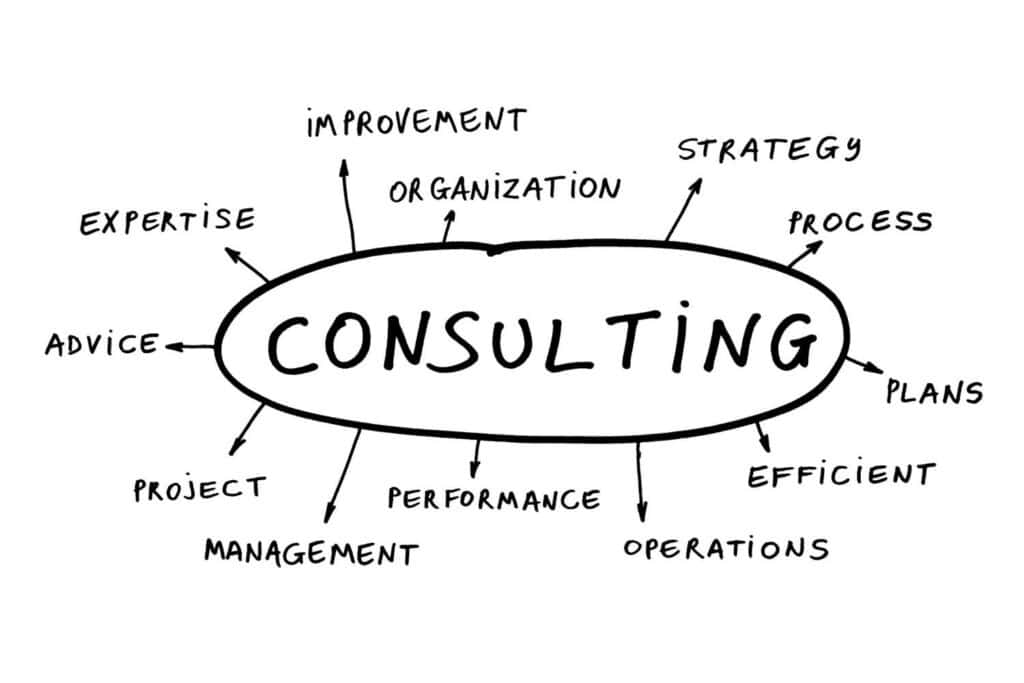
Like any organization, the church faces challenges that require expert advice to overcome. This is where the services of a church consultant come in. But what does a church consultant do? And how can they help congregations thrive? This article delves into the duties and contributions of church consultants in assisting religious communities to meet the demands of our evolving world.
Understanding the Church’s Unique Position
First and foremost, it’s crucial to recognize that a church isn’t just any organization—it’s a sacred institution that intertwines spiritual, communal, and organizational aspects. The goals of a church are not just about numbers or finances; they also concern spiritual growth, community outreach, and maintaining a vibrant, meaningful connection with its members. A church consultant understands these intricacies and is skilled in addressing challenges with a balance of respect for tradition and a drive for innovation.
Essential Duties of a Church Consultant
Assessment: One of the primary roles of a church consultant is to assess a congregation’s current situation. This might involve examining the church’s growth trends, financial health, staff dynamics, outreach programs, or spiritual enrichment activities. Through interviews, surveys, and observations, the consultant can get a holistic view of where the church stands.
Strategic Planning: Once an assessment is complete, the consultant will work with church leaders to chart a course for the future. This might involve setting goals for membership growth, developing new outreach programs, or restructuring church governance. They help create short-term and long-term strategies that align with the church’s mission and vision.
Leadership Training: Often, a church consultant will provide training sessions for pastors, elders, and other key leaders. These sessions might cover topics like conflict resolution, effective communication, team building, and leadership skills tailored to the unique context of a religious community.
Operational Efficiency: Church consultants might also delve into the day-to-day operations of a church. This can involve suggesting more efficient administration methods, improving financial management, or updating technology systems to serve the congregation better.
Change Management: Implementing new strategies or systems can be daunting, especially in a setting as deeply rooted in tradition as the church. Consultants guide congregations through periods of change, ensuring smooth transitions and the church remains unified.
Outreach and Evangelism: A significant aspect of many churches is their outreach and evangelism efforts. A consultant can help churches develop or refine their approach to outreach, ensuring they effectively reach and resonate with their target communities.
Church consultants bring an external perspective, unencumbered by internal politics or biases. Their outside view can often identify issues or opportunities that might be missed by those deeply embedded in the day-to-day life of the congregation. Furthermore, many church consultants have extensive experience and have worked with multiple congregations facing similar challenges. This breadth of experience allows them to bring tested solutions and insights to the table, offering strategies that have been successful in other settings.
A church consultant is invaluable in guiding congregations through these changes, ensuring they remain vibrant and effective in their mission. Whether refining outreach strategies, improving operations, or training leaders, these professionals offer expertise that can propel a church to new heights.
Steve Lawes is a Church Consultant and also provides coaching for pastors, churches, ministries and church planters.